REACH & RoHS Compliance for Cosmetic Bags in EU
Executive Summary
REACH and RoHS compliance for cosmetic bags in EU means chemical compliance for the article plus, only in a narrow set of cases, electrical compliance. Under REACH, an article such as a sewn bag is not registered, but substances inside it are controlled: if a substance of very high concern appears above 0.1 percent by weight, information must be communicated down the supply chain, and a notification may be required. Separately, Annex XVII sets hard limits for named substances in named materials, including nickel release from metal parts, azo colourants in textiles, chromium VI in leather and cadmium in plastics.
RoHS is a different instrument and only engages where the bag is electrical or electronic equipment, which typically means an integrated LED mirror, a heated element or a motorised brush cleaner rather than a plain pouch. When it does engage, ten substances are capped at 0.1 percent by weight in each homogeneous material, with cadmium capped at 0.01 percent. Buyers should confirm scope with a qualified adviser, then hold a dated pack: restricted substance declarations, laboratory reports matched to the production month and inspection records at AQL 2.5 under ISO 2859-1.
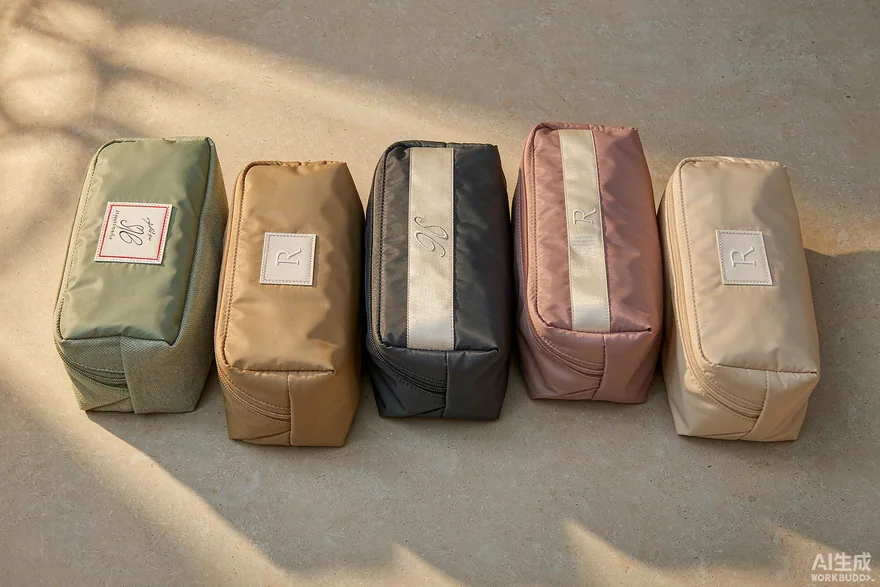
How REACH reaches a bag: articles, substances and the 0.1 percent rule
REACH, Regulation (EC) No 1907/2006, is the European Union's framework for chemicals. Its structure matters for a bag buyer because the regulation distinguishes between a substance, a mixture and an article. A finished cosmetic bag is an article: it is given a special shape, surface or design which determines its function to a greater degree than its chemical composition does. Articles are not themselves registered under REACH. What is controlled instead are the substances contained in the article, and that is where the practical duties sit for a brand owner placing bags on the European market.
The best-known duty is the 0.1 percent threshold for substances of very high concern. Where an article contains a substance on the candidate list at more than 0.1 percent weight by weight, the supplier of that article must provide the recipient with enough information to allow safe use, and in many cases that communication has to reach the consumer on request. There is a related notification obligation where the total quantity placed on the market exceeds one tonne per year per actor, and European Union waste-law reporting duties may also attach. The candidate list is updated periodically, so a declaration that was accurate eighteen months ago may no longer be accurate today. The European Chemicals Agency publishes the framework at its REACH pages.
Two features of the 0.1 percent rule catch buyers out. First, the threshold is calculated on the whole article, but the substance usually enters through one small component: a plasticiser in a PVC window, a flame retardant in a foam padding, a dye in a printed panel. Second, communication is a supply chain duty, so the question to ask of each component is not whether the finished bag passes but whether the component supplier can declare its own chemistry. A declaration built from component-level answers is far more defensible than one assertion about the finished item.
The candidate list of substances of very high concern is revised at intervals, and Annex XVII restrictions are amended over time. A restricted substance declaration should carry a date and a version number, and should be refreshed when the list changes or when a material supplier changes.
Annex XVII: the restrictions that actually bite on bags
Annex XVII to REACH lists restrictions by substance and by material, and it is the part of the regulation most likely to produce a failed test on a sewn bag. Unlike the candidate list duty, which is about communication, these are hard limits: above the threshold the article cannot be placed on the market for the restricted use. The entries below are the ones that recur in cosmetic bag, toiletry bag and vanity case programmes.
- Nickel release: metal parts in direct and prolonged contact with skin are capped, with a tighter limit for post assemblies inserted into pierced parts. Zipper pulls, press studs and mirror frames are the components to check.
- Azo colourants: certain azo dyes that can cleave to listed aromatic amines are restricted in textile and leather at 30 parts per million, which makes printed linings and dyed shells a routine test target.
- Chromium VI: leather articles in skin contact are capped at a very low level, so a leather-trimmed vanity case needs a leather-specific report, not a fabric report.
- Cadmium: restricted in plastics and in certain applications at very low levels; pigments in bright or fluorescent shades and some stabilisers are the usual sources.
- Phthalates: restricted in toys and child care articles at 0.1 percent for each listed ester, so a children's wash bag with soft PVC trim is squarely in scope while an adult pouch may not be.
- Polycyclic aromatic hydrocarbons: capped in rubber and plastic components that contact skin, which can affect dark rubber grips, elastics and some synthetic backings.
- Organotin compounds and nonylphenol ethoxylates: capped in articles and in textiles likely to be washed in water respectively, both of which can appear in coatings and finishes.
The recurring pattern is that the base fabric is rarely the problem. A 210-denier polyester shell or a 190T lining will usually pass a general screening; it is the zipper, the printed artwork, the PVC window, the elastic trim, the foam padding and any leather patch that carry the risk. A testing plan built around the component list rather than the finished bag is both cheaper and more informative, because a failure is then traceable to a single part that can be substituted without redesigning the whole style.
Colour and finish deserve their own line in the plan. A dark shade may carry higher polycyclic aromatic hydrocarbon or aromatic amine risk than a pale one; a metallic or fluorescent pigment can carry cadmium; a heavy plastisol print can carry phthalates where a water-based print on the same artwork would not. Many retail restricted substance lists therefore ask for testing by colourway, typically the darkest shade plus any metallics. Where a style runs five or six colourways, that scoping decision is normally made once at the start of the season and recorded in the specification.
Laboratory method matters as much as scope. Colour fastness is normally assessed against ISO 105 methods for rubbing, washing and light, and a report that does not name the method is difficult for a compliance reviewer to accept. Voluntary certifications such as OEKO-TEX Standard 100 cover a defined set of parameters for textile components and can reduce the volume of individual testing a brand commissions, though they do not replace a statutory declaration where one is required.
Does RoHS apply to a bag? Where the electrical line is drawn
RoHS, Directive 2011/65/EU, restricts hazardous substances in electrical and electronic equipment. It is not a general consumer goods instrument, so a plain sewn pouch is outside it entirely. The scope question is whether the item is equipment dependent on electric current or electromagnetic fields in order to work properly, within defined voltage ceilings. A bag is usually outside that definition; a bag with a lighted mirror, a heating element, a motorised brush spinner or a rechargeable battery pack is a much harder case, and the answer depends on how central the electrical function is and how the item is presented.
| Configuration | RoHS position | Consequence for the programme | Documentation expected |
|---|---|---|---|
| Plain sewn pouch, no hardware beyond a zipper | Outside RoHS scope | REACH and textile labelling still apply | REACH declaration and component test reports |
| Fabric case with a glued mirror panel | Generally outside RoHS scope | Nickel and lead in the frame still restricted under REACH | Mirror frame substrate report |
| Vanity case with integrated LED mirror and USB charging | Likely in scope as electrical and electronic equipment | Ten substances capped per homogeneous material | RoHS technical file and declaration of conformity |
| Heated or UV treatment case with a control board | Likely in scope | RoHS plus waste electrical obligations and battery rules | RoHS file, battery documentation, marking |
| Bag sold bundled with a separate electronic device | The device is in scope on its own terms | Two separate compliance files for one retail unit | Device file plus the bag's REACH declaration |
| Bag with a button cell for a light or a sensor | In scope for the cell and likely the assembly | Battery regulation and marking duties attach | Battery documentation and removable-cell design evidence |
Where RoHS does apply, the mechanics are different from REACH's article rules. The limits apply to each homogeneous material, meaning one material that cannot be mechanically disjointed into other materials, rather than to the finished product. Ten substances are capped at 0.1 percent by weight in each such material, with cadmium capped at 0.01 percent. In practice a compliance file is built from declarations and test reports for each material: the cable insulation, the solder, the lens, the housing and the printed circuit assembly each being considered separately.
Two adjacent instruments follow the same trigger. Waste electrical and electronic equipment obligations, including registration and marking, generally attach once the item is electrical equipment, and battery obligations under the European Union battery regulation apply to the cell itself, including requirements on removability in some applications. Because these duties vary with the design and with the member state of sale, an illuminated vanity case should be scoped by a qualified adviser at quotation stage, before tooling is committed and before a retail listing is written.
Scope questions also arise for parts rather than for whole products. A detachable LED mirror module supplied with a case, and a cable sold alongside it, may each be assessed on their own terms, which is why one retail unit can require two compliance files for one carton. Where a module is later sold as a spare part for a case already on the market, further provisions can apply. These distinctions turn on how the item is presented and on the specific wording of the instruments, so the safe step is to put the configuration in front of a qualified adviser and to record the answer in writing before tooling is committed.
Building the European Union documentation pack and testing cadence
A European compliance pack is what allows an importer, a retailer or a market surveillance authority to reconstruct what was made and on what basis. The pack should exist before the goods ship, because assembling it afterwards usually means re-opening sampling. The table sets out the documents most often requested at a European vendor review.
| Document | Who normally holds it | What makes it acceptable |
|---|---|---|
| REACH declaration and SVHC statement | The importer or the brand owner placing the goods on the market | Dated, versioned, and built from component-level answers |
| Annex XVII compliance declaration | Same, supported by laboratory reports | Names each entry tested and each material covered |
| Laboratory test reports | Commissioned by the brand owner or the supplying party | Name the method and the standard, and match the production month |
| RoHS technical file and declaration, where in scope | The party placing electrical equipment on the market | Material-level analysis plus a signed declaration of conformity |
| Fibre composition label proof | The brand owner | Uses permitted fibre names and correct percentages |
| Restricted substance list confirmation | Retailer-managed, signed by the brand owner | Matches the retailer's current version, not last season's |
| Pre-shipment inspection record | The programme coordinator or the inspection body | States AQL 2.5 under <a href="https://www.iso.org/standard/63587.html" rel="nofollow noopener" target="_blank">ISO 2859-1</a>, sample size and defect categories |
The importer's role deserves care. REACH places specific duties on importers established in the European Union, and a producer outside the Union may appoint an only representative to carry registration-related duties. Where a brand owner sells directly into the Union from outside it, the practical question is which entity is the importer of record and therefore which entity holds the declaration and answers a market surveillance enquiry. Deciding that before the first shipment is cheaper than discovering it during a customs check or a retailer audit.
Cadence should follow change. Fresh testing is normally warranted when the fabric mill, coating formulation, print method or hardware supplier changes, when a dark, metallic or fluorescent colourway is added, or when the candidate list or an Annex XVII entry relevant to the materials is amended. Where none of those has changed, many programmes accept an annual refresh, but the interval is set by the buyer's own vendor manual rather than by the regulation. Programme timing also matters: development samples typically take 6 to 10 working days, or 12 to 15 working days for complex constructions, and bulk production commonly runs 35 to 50 days after sample approval, so laboratory work should be booked alongside sampling. Minimum quantities of 500 pieces per style and colourway and shipment terms such as FOB Xiamen or payment on T/T 30 deposit and 70 against bill of lading do not alter the chemical duties, though they do set the commercial calendar. Where a programme sells into more than one member state, keeping one master pack with market-specific declarations attached is usually simpler than maintaining separate packs, provided the version history is clear and each declaration names the entity responsible for that market.
A single statement that a bag complies with REACH is weak evidence. A pack listing the shell, lining, coating, print, zipper, trim and foam with a declaration and a report for each is what survives a retailer audit and what makes a substitution decision possible without restarting the whole programme.
The B2B Customisation View
Cost, compliance and craft pull against each other on every cosmetic pouches, vanity cases and beauty organisers project; the specification is the record of how those three forces were balanced.
Commercial parameters stay fixed across the range: MOQ 500 pieces per style and colourway, prototype turnaround 6–10 working days (extended to 12–15 for multi-panel or moulded builds), bulk lead time 35–50 days from approved sample, AQL 2.5 inspection to ISO 2859-1, FOB Xiamen, T/T 30 deposit and 70 against bill of lading.
Buyers who use a programme coordinator keep their own supply-chain optionality; the technical pack travels, so production can be re-placed if a launch is brought forward.
Which Brand Types Benefit Most
Compliance depth should match the channel. Start-up brands placing 500 pieces per style and colourway into the European Union should begin with a component list, because that list determines both the test scope and the eventual cost, and should test the darkest and any metallic colourway rather than assuming one report covers the range. Established beauty brands with multi-season ranges benefit from a maintained declaration library, where each component supplier's statement carries a date and a version, since a coating reformulation at the mill is the most common cause of an out-of-date file. Retailers and own-label buyers should push their restricted substance list upstream in the development process rather than at onboarding, so a non-compliant zipper is replaced during sampling instead of during production. E-commerce sellers shipping directly to European consumers need to know which entity is the importer of record, because that entity holds the declaration and answers enquiries; this applies even when the order is small. Gift and hospitality buyers ordering amenity sets should watch for filled kits, where the cosmetics inside carry their own regime in addition to the bag's chemical duties. The costly failure pattern is consistent across these groups: a declaration issued at the start of a season, never versioned, that no longer matches the materials actually used. A change log recording fabric mill, coating, print method and hardware supplier, maintained alongside the specification, closes that gap at comparatively little cost, and it is the first document a retailer asks for when a test report is found to be out of date. Across all five groups the durable asset is the same: dated, versioned, component-level declarations backed by laboratory reports matched to the production month. Where a programme spans both the European Union and Great Britain, treat the declarations as separate documents rather than one, since the regimes are not interchangeable. Scope questions under REACH and RoHS involve judgement, so consult a qualified adviser.
Frequently Asked Questions
Does REACH require a cosmetic bag itself to be registered?
Generally no. A finished bag is an article, and articles are not registered under REACH. What is controlled are substances within the article: a substance of very high concern above 0.1 percent weight by weight triggers communication duties, and a registration or notification duty can arise where substances are intended to be released or where annual volumes exceed a threshold. A plain bag releases nothing, so the practical duty is communication and, where relevant, reporting.
What does the 0.1 percent SVHC threshold apply to?
It applies to the concentration of a listed substance of very high concern in the article as supplied. Where the threshold is exceeded, the supplier must give the recipient enough information to allow safe use, and a consumer request must be answered within a set period. A notification duty can also arise where the total quantity placed on the market exceeds one tonne per year per actor. The candidate list changes, so the declaration needs refreshing.
Which REACH Annex XVII entries most often affect cosmetic bags?
Nickel release from metal parts in skin contact, azo colourants in textiles and leather, chromium VI in leather, cadmium in plastics and pigments, phthalates in toys and child care articles, polycyclic aromatic hydrocarbons in rubber and plastic components, organotin compounds and nonylphenol ethoxylates in textiles. The component most likely to fail is rarely the shell; it is the zipper, print, PVC window, elastic or leather trim, which is why testing is planned per component.
Is RoHS relevant to a plain fabric makeup pouch?
Normally not. RoHS restricts substances in electrical and electronic equipment, and a plain sewn pouch is not equipment dependent on electric current in order to work. The position changes when the bag incorporates lighting, heating, a motor or a rechargeable cell, because the combined item is then assessed as electrical equipment. That scoping decision should be taken at quotation stage, before tooling is committed and before the listing copy is written.
What are the RoHS limits and how are they calculated?
Ten substances are capped at 0.1 percent by weight and cadmium at 0.01 percent, calculated per homogeneous material rather than per finished product. A homogeneous material is one that cannot be mechanically disjointed into other materials, so cable insulation, solder, housing and printed circuit assembly are each assessed separately. In practice the file is built from material-level declarations and test reports plus a signed declaration of conformity.
Does an illuminated vanity mirror case need extra documentation?
Usually yes. If the assembly is electrical and electronic equipment, a RoHS technical file and declaration are expected, and waste electrical and battery obligations can attach to the same unit. Practical consequences include marking, registration in the member state of sale and, in some applications, requirements about whether the cell can be removed. Because these duties vary with design and destination, have the configuration scoped by a qualified adviser before tooling.
Who is the importer of record when a brand sells directly from outside the EU?
REACH places duties on importers established in the European Union, and a producer outside the Union may appoint an only representative for registration-related duties. Where a brand ships direct to consumers, the identity of the importer of record can be a genuinely disputed question, and it determines who holds the declaration and who answers a market surveillance enquiry. Settle it before the first shipment rather than during an audit.
How should declarations be collected from component suppliers?
Collect them per component and per material group: shell fabric, lining, coating, print, zipper and slider, trim, elastic, foam and any leather. Each should carry a date and a revision, name the standard or regulation addressed, and be signed by a named function. A single blanket statement covering the finished bag is weak evidence, because it cannot be updated when one component changes and it does not support a substitution decision.
How often should European testing be repeated?
Repeat on change: a new fabric mill, coating formulation, print method or hardware supplier, a new dark, metallic or fluorescent colourway, or an amendment to the candidate list or to a relevant Annex XVII entry. Where nothing has changed, many retail programmes accept an annual refresh, but the interval comes from the buyer's vendor manual rather than from the regulation. Keep a change log that proves nothing moved.
Do voluntary certificates replace REACH declarations?
They reduce workload but do not replace statutory duties. A voluntary textile certification such as OEKO-TEX Standard 100 covers a defined parameter set for the components it certifies and can reduce the volume of testing a brand commissions. It does not discharge a communication duty for a substance of very high concern, and it will not cover a component outside its scope, such as an electronic assembly. Treat certifications as supporting evidence.
Does the EU require fibre composition labelling on bags?
Textile products placed on the European market generally carry fibre composition using permitted fibre names and correct percentages, with related labelling duties covering care and, in some cases, non-textile parts of animal origin. A sewn-in label is customary because hangtags are separated from the product. The label artwork should be approved at sample stage, since correcting composition percentages after bulk production means re-labelling in the warehouse.
What happens if a market surveillance authority challenges a bag?
The authority will normally ask for the declaration, the supporting laboratory reports and traceability to the batch concerned. A dated, component-level pack answers most enquiries quickly; a pack that has to be rebuilt from scratch tends to escalate. Practical preparation includes keeping batch identifiers per style and colourway, retaining defect photographs from inspection, and knowing which entity is the importer of record. Take advice from a qualified adviser promptly if a challenge arrives.
Does a children's wash bag face stricter chemical limits than an adult one?
In several respects yes. Phthalate restrictions under Annex XVII are written for toys and child care articles, so a soft PVC trim on a children's item is in scope where the same trim on an adult pouch may not be. Toy safety rules and small parts expectations can also apply depending on presentation. Where a style could be read either way, testing to the stricter standard is usually cheaper than re-testing after a classification dispute.
Can the same test report cover several colourways?
Sometimes, but it should not be assumed. A report typically covers the sample submitted, and pigment load differs between shades; a dark, metallic or fluorescent colourway can behave differently from a pale one in tests for aromatic amines, polycyclic aromatic hydrocarbons or cadmium. Many retail restricted substance lists therefore require testing by colourway. Agree the colourway scoping with the laboratory at quotation so the report matches what actually ships.
What is SCIP and does it apply to bags?
SCIP is a database for information on substances of very high concern in articles, established under European Union waste legislation. Where an article placed on the market contains a candidate list substance above 0.1 percent, a notification may be required before the article is supplied. A plain bag that contains no such substance has nothing to notify, but the obligation depends on composition rather than on product type, so the declaration must be checked against the current list.
How does EU work differ from UK chemical rules?
The United Kingdom operates its own REACH regime with a separate candidate list and separate processes, following its departure from the European Union, so compliance with the European regime does not automatically discharge United Kingdom duties. Northern Ireland follows different arrangements again. A brand selling into both markets should treat them as two declarations rather than one, and should confirm the current position with a qualified adviser before relying on either.
People Also Ask
Do cosmetic bags need REACH compliance in Europe?
Bags placed on the European market are subject to REACH as articles. The bag itself is not registered, but substances inside it are controlled: substances of very high concern above 0.1 percent weight by weight trigger communication duties, and Annex XVII sets hard limits for named substances in named materials such as nickel in metal parts and azo colourants in textiles. Confirm the current position with a qualified adviser.
Is RoHS required for bags with LED mirrors?
An assembly with integrated lighting is likely to be electrical and electronic equipment, which brings RoHS duties with it: ten substances capped at 0.1 percent per homogeneous material and cadmium at 0.01 percent. Waste electrical and battery obligations can attach to the same unit. Because the analysis depends on the design and the destination market, have the configuration scoped by a qualified adviser before tooling is committed.
What is the 0.1 percent rule under REACH?
It is the concentration threshold for substances of very high concern in articles. Above 0.1 percent weight by weight, the supplier must provide recipients with sufficient information to allow safe use, and must answer a consumer request within a set period. A notification duty may also arise at volumes above one tonne per year per actor. The candidate list is updated periodically, so declarations need a date and a version.
What documents prove REACH compliance to a retailer?
A dated, versioned declaration built from component-level statements, supported by laboratory reports that name the method and the standard and that match the production month. Retailers usually add their own restricted substance list, signed against a current version, and may ask for a pre-shipment inspection record. Voluntary textile certifications can support the pack but do not replace the statutory declaration where one is required.
Request a Sample or a Written Quotation
Send the silhouette, dimensions, material preference and logo artwork, and the programme team will return a written quotation with MOQ, sampling window, bulk lead time and inspection standard.
Email: [email protected] · WhatsApp: +86 177 5002 0688