White Label vs Private Label Cosmetic Bags: Key Differences
Executive Summary
The difference between white label and private label cosmetic bags is who decides the product. A white label bag is an existing construction sold to several buyers, who add their own mark and packaging; the specification is fixed before the buyer arrives. A private label bag is built to one brand owner's specification, with the construction, fabric, lining, hardware and colourway chosen by the brand. Both routes run at 500 pieces per style and colourway, and both are quoted on the same inspection, shipment and payment terms.
The trade-off is control against time and development cost. White label is faster because the pattern, markers and materials already exist, so the decision set is small and the sample round is short. Private label takes longer - sampling at 6-10 working days, 12-15 for complex constructions, then bulk at 35-50 days - and produces a specification that no competitor can order. Inspection is to AQL 2.5 under ISO 2859-1 on FOB Xiamen terms with T/T 30 deposit, 70 against bill of lading.
Two routes, one question: who decides the specification
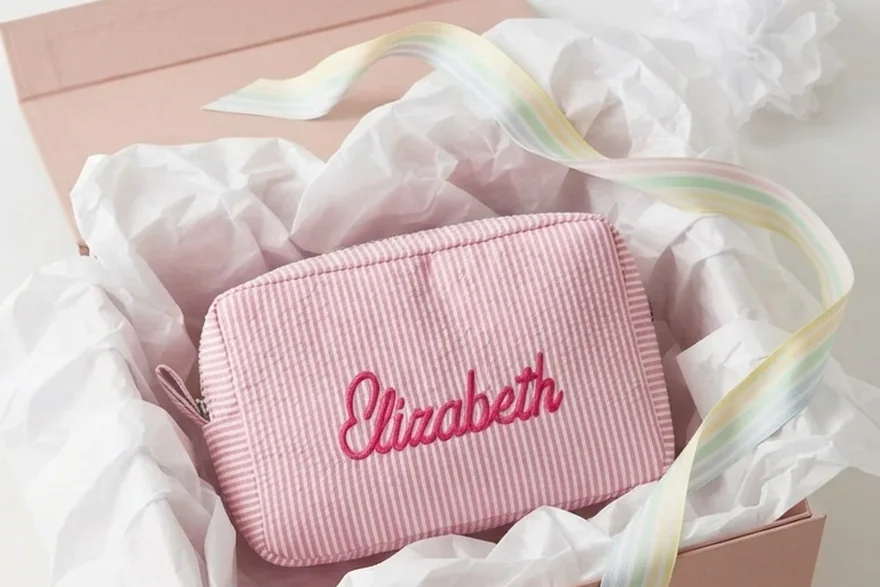
White label and private label are often described as if they were pricing tiers. They are not; they are two different answers to the question of who decides what the product is. Under a white label arrangement, the construction exists before the buyer arrives - a pattern, a marker, a nominated fabric, a trim set and a packing specification are already on file - and the buyer's contribution is the brand mark, the packaging and the quantity. Several buyers may sell the same silhouette under different names.
Under a private label arrangement, no construction exists until the brand owner specifies it. The brand nominates the dimensions, the shell fabric and its weight in g/m², the denier, the lining shade, the zip size and type, the hardware finish, the print method and the packing. Nothing is shared with another buyer's programme, because the specification belongs to the brand. The consequence is that development happens inside the programme rather than before it, which is where the extra time and the extra value come from.
A simple test settles which route a programme is actually on: if the brand owner cannot name the fabric weight, the denier and the zip size, the specification belongs to someone else and the route is white label. The two routes are not mutually exclusive, and most growing beauty brands use both at different moments. A brand testing demand for a bag category often starts white label to learn which size and price point sells, then moves the winning silhouette to private label once there is a volume to justify development. A brand with a mature range does the opposite: hero SKUs are private label, and short-life promotional items stay white label because nobody needs to develop them.
One constant applies to both. The production minimum is 500 pieces per style and colourway, and the inspection standard is AQL 2.5 under ISO 2859-1. A white label order is not smaller just because the development is lighter; the run still needs its own fabric lot, its own cutting marker and its own inspection lot.
Side-by-side: what actually differs between the two routes
The practical differences show up in five places: the decision set, the development time, the tooling exposure, the exclusivity of the result and the cost of getting it wrong. Comparing the routes on those five axes is more useful than comparing unit prices, because the unit price gap between a white label pouch and a similar private label pouch is usually smaller than the gap created by a second sample round or a failed inspection.
| Dimension | White label route | Private label route |
|---|---|---|
| Who sets the specification | Already fixed: pattern, fabric, trim and packing exist | Set by the brand owner in a tech pack before sampling |
| Typical decision set | Mark, packaging, quantity, colour from a stock palette | Dimensions, fabric, denier, lining, zip, hardware, shade, print method |
| Sampling window | Often one confirmation round, 6-8 working days | 6-10 working days, 12-15 for complex constructions |
| Tooling exposure | None, unless a custom puller or badge is added | Tooling where a moulded puller, badge or shell is specified |
| Colour control | Chosen from a stock palette; no lab dip needed | Pantone-matched with a lab dip, 5-8 working days per dip |
| Exclusivity | The same silhouette may be sold by other buyers | The specification belongs to the brand owner |
| Minimum order | 500 pieces per style and colourway | 500 pieces per style and colourway |
| Bulk production | 35-50 days after sample approval | 35-50 days after sample approval |
| Risk profile | Lower development risk; differentiation is limited | Higher development risk; the result cannot be copied easily |
Development time is the clearest difference and it comes from the decision set rather than from the sewing. A white label pouch needs a confirmation sample: the buyer checks that the existing construction accepts the artwork and that the packing works. A private label pouch needs a pattern, a marker, a material call-off, a lab dip if the shade is bespoke, and usually two rounds. That is the difference between a programme that ships in about seven weeks and one that takes nearer eleven.
Tooling is the second real difference, and it is a difference in exposure rather than in principle. Either route can specify a moulded puller or a silicone badge; in practice white label buyers rarely do, because the point of the route is to avoid development. A private label programme that specifies one tool should budget 5-8 working days for it during sampling and should expect the tool to be reused, which is why the second private label order is cheaper than the first.
Is the value in the brand or in the product? A brand whose customers buy because of the name and the packaging can move fast with white label. A brand whose customers buy because of a specific material, size or mechanism needs private label, because those are specification decisions, not catalogue choices.
Colour is where the two routes separate most visibly on shelf. A white label buyer chooses from a stock palette, which means the shade is available immediately and can be matched on reorder without a dip. A private label buyer choosing a bespoke shade gains a colour nobody else carries and takes on the work of a lab dip, a bulk lot and a retained reference. Both are legitimate; the question is whether the shade is part of the brand's equity.
Which route fits which buyer and which moment
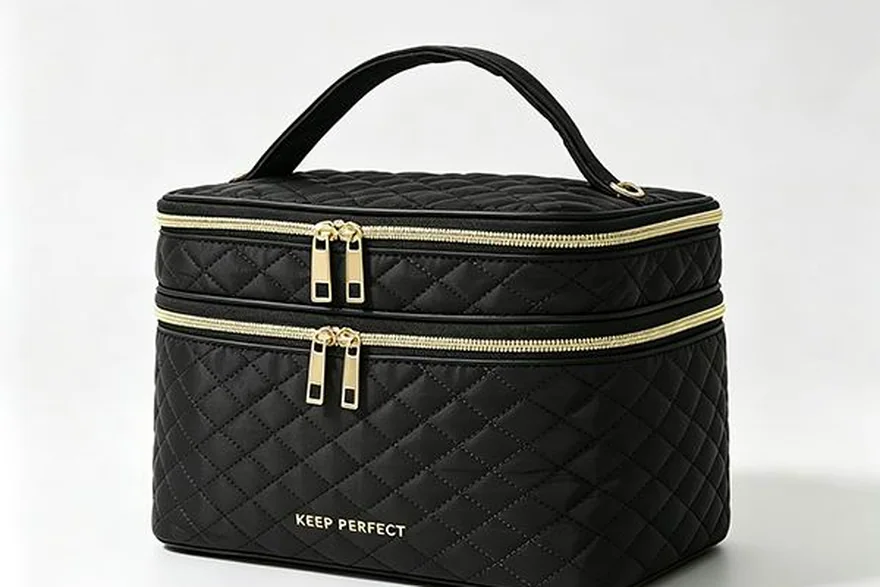
Route choice is a function of what the buyer already knows. A buyer who knows the size, price point and sell-through of the category can specify confidently and should go private label. A buyer who does not know any of those things should not spend development time guessing; a white label run answers the question faster and the answer is worth more than the development saving.
| Buyer situation | Route that fits | Why | What to watch |
|---|---|---|---|
| Testing a new bag category with no sales history | White label | Answers size and price questions in about seven weeks | The silhouette may appear under another brand's name |
| Launching a bag to match an existing brand palette | Private label | Shade and finish have to match an established standard | A bespoke shade adds a lab dip of 5-8 working days |
| Promotional gift-with-purchase for one quarter | White label | Short life; development cost cannot be recovered | Confirm the packaging print minimum separately |
| Building a hero SKU intended to reorder for years | Private label | Tooling and pattern are reused, so later orders get cheaper | Approve and retain a golden sample for every reorder |
| Retail own-brand tier at a fixed price point | Private label | The specification is engineered to hit a target cost | Engineer the fabric and trim to the price, not the reverse |
| Urgent launch with less than eight weeks of runway | White label | No pattern or tool development inside the programme | Still allow 35-50 days of bulk after approval |
Marketplace evidence supports testing before developing. The category is broad rather than concentrated: a toiletry bag draws roughly 74,810 weekly Amazon searches (ASINSIGHT 2026.07), "travel bag for toiletries" around 110,000 monthly searches and "make up bags for women" near 80,000 monthly searches, while the sourcing phrase "custom makeup bag" sits at 5,400-6,600 monthly searches. Typical unit quotes span $0.45-$12.00 (Alibaba 2026.10), a wide enough band that guessing the wrong price point is expensive.
The hybrid sequence works well for beauty brands specifically. Run one white label size at 500 pieces, watch which size and price point sells, then commission a private label version of the winner with the shade, lining and hardware corrected. The white label run has paid for itself if it prevents one wrong private label development, and it produces a sales record that makes the private label brief far easier to write.
One route should not be chosen for the wrong reason. White label is sometimes chosen because it feels cheaper, but the minimum is the same 500 pieces per style and colourway, so the cash commitment is identical; what differs is the development cost and the calendar. Private label is sometimes chosen because exclusivity sounds valuable, but exclusivity on a silhouette nobody wants is worth nothing. The deciding factor is how much the brand already knows about its own customer.
- Minimum is identical on both routes: 500 pieces per style and colourway.
- White label saves development time, not quantity commitment.
- Private label buys exclusivity and shade control at the cost of a longer development stage.
- Testing first and developing second is usually cheaper than developing first and being wrong.
- Either route can carry the same AQL 2.5 inspection and the same FOB Xiamen, T/T 30/70 terms.
Moving from white label to private label without losing momentum
The migration is a project with four stages, and the order matters because each stage produces the information the next one needs. Starting with a fabric change rather than with a sales review is the most common way to waste a development budget: the brand spends six weeks developing a bag that solves the wrong problem.
| Stage | What happens | Time it takes | Output carried forward |
|---|---|---|---|
| 1. Sales review | Read the white label run: which size, colour and price sold through | 1-2 weeks of trading data | A size and price point worth developing |
| 2. Specification delta | List what the white label bag got wrong: shade, lining, zip, capacity | 1 week | A written tech pack with the corrections |
| 3. Development sample | Pattern, materials and branding built to the corrected specification | 6-10 working days, 12-15 if complex | A golden sample and an approved lab dip |
| 4. Bulk and reorder | Production at 500 pieces per style and colourway, then a repeat | 35-50 days after approval | A reusable pattern, tool and shade reference |
Stage two is where most of the value sits. The corrections are usually specific and cheap once written down: a lining changed from a dark shade to a pale one so a spill is visible, a zip changed from a #3 to a #5 for smoother travel around a corner, a capacity changed from 1.8 L to 2.6 L, a binding changed from a matched shade to a contrast. None of those require new tooling, and all of them change how the product is judged on shelf.
Overlap the two routes rather than ending one before starting the other. Because the white label run is already selling, the private label sample should be developed while stock remains, so the switch happens at a reorder point rather than during a stockout. With sampling at 6-10 working days and bulk at 35-50 days, the private label replacement needs to be specified roughly 60-70 days before the white label inventory runs out.
Documentation carries across, which is an underrated benefit of the sequence. A compliance file assembled for the white label programme - restricted substance declarations, a textile certificate under OEKO-TEX Standard 100, or a recycled content claim documented under the Global Recycled Standard - tells the brand which materials already pass and which need substituting before the private label brief is finalised. That saves a test cycle and sometimes prevents a failed inspection.
The cost of the migration is concentrated in stage three, and it is smaller than most brand owners expect once tooling is handled sensibly. A private label version of a proven white label silhouette usually reuses the same construction logic, so the pattern work is an adjustment rather than a new development. The expenses that are genuinely new are the lab dip, any tooling, and one or two sample rounds; the fabric, trim and packing costs are close to those already being paid.
- Review white label sales before writing a private label specification.
- Write the correction list as a tech pack with measurements, not adjectives.
- Develop the private label sample while white label stock is still selling.
- Budget 60-70 days from specification to a reorder point, covering 6-10 working days of sampling and 35-50 days of bulk.
- Retain the golden sample and the approved dip so the private label run can be repeated.
The B2B Customisation View
The commercial logic behind makeup bags and toiletry bags is simple to state and hard to execute: hold the unit cost, hold the colour, hold the delivery window.
Commercial parameters stay fixed across the range: MOQ 500 pieces per style and colourway, prototype turnaround 6–10 working days (extended to 12–15 for multi-panel or moulded builds), bulk lead time 35–50 days from approved sample, AQL 2.5 inspection to ISO 2859-1, FOB Xiamen, T/T 30 deposit and 70 against bill of lading.
For makeup bags and toiletry bags, that coordination matters most in the two weeks between packing and vessel loading, when documentation errors cost more than any material decision.
Which Brand Types Benefit Most
The two routes serve five buyer types at different stages of maturity. A start-up brand with no bag sales history is usually better served by white label for the first run, because the first question is whether the audience wants a bag at all; a private label development before that answer exists risks six weeks and a tooling charge on a guess. Once the sell-through is known, the same brand moves to private label to build something distinctive. An established brand with a defined palette rarely has a choice: white label stock shades will not match, so private label is the only route that produces a bag consistent with the rest of the range.
Retailers building an own-brand tier almost always use private label, because the tier exists to hit a specific price point and a specific shelf position, both of which are specification decisions. E-commerce sellers sit in the middle and often run both at once: white label for testing a new niche, private label for the SKU that has proven itself. Gift and hospitality buyers tend to stay white label longer, because their product is judged as part of a presentation and the bag itself rarely needs to be exclusive.
The deciding question for all five is the same: does the brand's value come from the name and the packaging, or from the product itself? The first answer points to white label, the second to private label, and most brands end up using both as the range matures.
- Start-up brands: white label for the first run, private label once sell-through is known.
- Established brands: private label, because stock shades will not match an existing palette.
- Retailers: private label engineered to a price point and a shelf position.
- E-commerce sellers: both at once - white label to test, private label for proven SKUs.
- Gift and hospitality buyers: white label, with the specification focused on presentation.
Frequently Asked Questions
Is the minimum order lower on a white label cosmetic bag than on a private label one?
No. Both routes run at 500 pieces per style and colourway, because the run needs its own fabric lot, cutting marker and inspection lot regardless of who wrote the specification. What white label reduces is development time and development cost, not the quantity commitment. Buyers choosing white label to get a smaller order usually find the answer is the same.
How much faster is white label than private label?
Typically three to five weeks faster overall. A white label programme often needs one confirmation sample of 6-8 working days, while a private label programme needs a pattern, material call-off and usually two rounds, which is 6-10 working days per round plus 5-8 working days if a lab dip is required. Bulk production of 35-50 days is the same on both routes.
Can a white label bag carry a custom Pantone shade?
It can, but at that point the programme has moved towards private label. A bespoke shade needs a lab dip and a bulk dye lot of 5-8 working days, and once the shade is exclusive the main advantage of the white label route - no development - has been given up. Most buyers keep white label shades on the stock palette and save bespoke colour for private label.
Who owns the tooling on a private label cosmetic bag?
The tool is paid for by the brand owner and reused on that brand's repeat orders. A moulded zip puller or silicone badge cut for one programme stays available for the next, which is why the second private label order is cheaper than the first. Ownership should be stated in writing at the tool stage, along with what happens if the brand moves the programme.
Can a competitor sell the same bag if private label is used?
Not the same specification. The dimensions, fabric, lining, hardware and shade belong to the brand owner's tech pack and are not offered to other buyers. What cannot be prevented is a similar-looking silhouette, which is why brands that need real protection combine private label specification with a registered mark and distinctive hardware. What private label does guarantee is that the specification - dimensions, fabric, shade and hardware - belongs to the brand.
Is a white label bag lower quality than a private label bag?
Not necessarily. Quality is a function of the specification and the inspection, not of the route. A white label bag can be specified with the same fabric weight, the same #5 zip and the same 8-10 stitches per inch, and both routes are inspected to AQL 2.5 under ISO 2859-1. The difference is how much of the specification the buyer got to choose.
Which route should a brand with eight weeks of runway choose?
White label, and even then the calendar is tight. A confirmation sample of 6-8 working days plus bulk of 35-50 days puts goods-ready at roughly seven weeks from specification lock, before packing and transit. With no lab dip and no tooling, eight weeks is achievable; with either, it is not. Anything under six weeks needs a stock configuration rather than a custom one.
Does a white label order get the same inspection as a private label order?
Yes. Both are inspected to AQL 2.5 under ISO 2859-1, with the sample size set by lot size and defined accept and reject numbers. The only difference is the reference: a white label lot is checked against the catalogue specification, while a private label lot is checked against the brand's approved golden sample. Either way the result is a written report with defined accept and reject numbers, which is what governs release.
How does a brand move from white label to private label without a stockout?
Develop while stock is still selling. The private label sample should be specified roughly 60-70 days before the white label inventory runs out, which covers 6-10 working days of sampling and 35-50 days of bulk. The switch then happens at a reorder point rather than during a gap, and the white label run keeps earning while the replacement is built.
Can packaging differ between the two routes?
Yes, and packaging is the fastest lever on either route. Hangtags, belly bands and printed cartons have their own print minimums, usually lower than the 500-piece bag minimum, so a white label bag can still be presented in fully branded packaging. This is why white label with strong packaging often outperforms a private label bag in a plain polybag.
What does a private label specification actually control that white label does not?
Dimensions, shell fabric and weight in g/m², denier, lining shade and weight, zip size and type, hardware finish, stitch density, binding treatment, capacity in litres and the packing configuration. A white label buyer typically controls the mark, the packaging and the quantity. The specification decisions are what make a bag difficult for a competitor to match.
Is private label worth it for a 500-piece first order?
It depends on whether the bag is a hero SKU or a test. For a hero SKU intended to reorder, yes: the pattern, tooling and approved shade carry forward and make every later order cheaper and faster. For a first test with no sales history, the development is better spent after the test, which is the argument for white label first.
Do both routes use the same payment and shipment terms?
Yes. Both are quoted on FOB Xiamen terms with T/T 30 deposit and 70 against the bill of lading. Freight, insurance, duty and inland delivery belong to the buyer's forwarder on either route. The route changes what is developed, not how the transaction is settled or how the goods are inspected. A buyer comparing routes should therefore model cash flow identically and compare development cost instead.
Can certification documents be reused when moving from white label to private label?
Partly. Material-level evidence such as a textile certificate or a recycled content transaction certificate tells the brand which inputs already pass, but a certificate is tied to a specific material and supplier, so a change of fabric or lining requires fresh evidence. Keeping the same material across the migration is the cheapest way to carry documentation forward.
What is the strongest argument for choosing private label?
Repeatability of something distinctive. A private label specification produces a bag that cannot be ordered by a competitor, with an approved shade and a retained golden sample that make the fifth order identical to the first. Over three or four years of reorders, that consistency is usually worth more than the development cost saved by staying on a catalogue.
People Also Ask
What is the difference between white label and private label bags?
White label is an existing construction that several buyers brand and sell; the specification is fixed before the buyer arrives. Private label is built to one brand owner's specification, covering dimensions, fabric, lining, hardware and shade. Both run at 500 pieces per style and colourway and are inspected to AQL 2.5 under ISO 2859-1. Development time is the visible difference: white label usually needs one confirmation round, private label usually needs two.
Is white label cheaper than private label?
The unit price is often similar; the saving is in development. White label avoids pattern work, tooling and lab dips, so the programme is faster and carries less risk. The cash commitment is the same, because the minimum is 500 pieces per style and colourway on both routes. Budgeting for a second sample round is the clearest way to see the real gap between the two routes.
Which is better for a first cosmetic bag order?
White label, if the brand has no bag sales history. It answers the size and price questions in about seven weeks without a tooling charge. Once the sell-through is known, the winning silhouette can move to private label with the shade, lining and hardware corrected, which is usually cheaper than developing first. A first run at 500 pieces per style and colourway is enough to answer both of those questions.
Can I switch from white label to private label later?
Yes, and it is the usual path. Review the white label sales, write the corrections as a tech pack, develop a sample over 6-10 working days and allow 35-50 days of bulk. Schedule the switch so it lands at a reorder point - roughly 60-70 days before existing stock runs out - rather than during a stockout. Keeping the same fabric and trim across the switch also carries compliance documentation forward.
Request a Sample or a Written Quotation
Send the silhouette, dimensions, material preference and logo artwork, and the programme team will return a written quotation with MOQ, sampling window, bulk lead time and inspection standard.
Email: [email protected] · WhatsApp: +86 177 5002 0688